Hachijū-hachiya 八十八夜 - A Key Seasonal Moment in Japanese Tea
What Is Hachijū-hachiya?
Each year in Japan, there is a seasonal marker known as Hachijū-hachiya, which means “the 88th night.” It refers to the 88th day after Risshun, the first day of spring in the traditional Japanese calendar. It usually falls around May 1 or May 2, depending on the year.
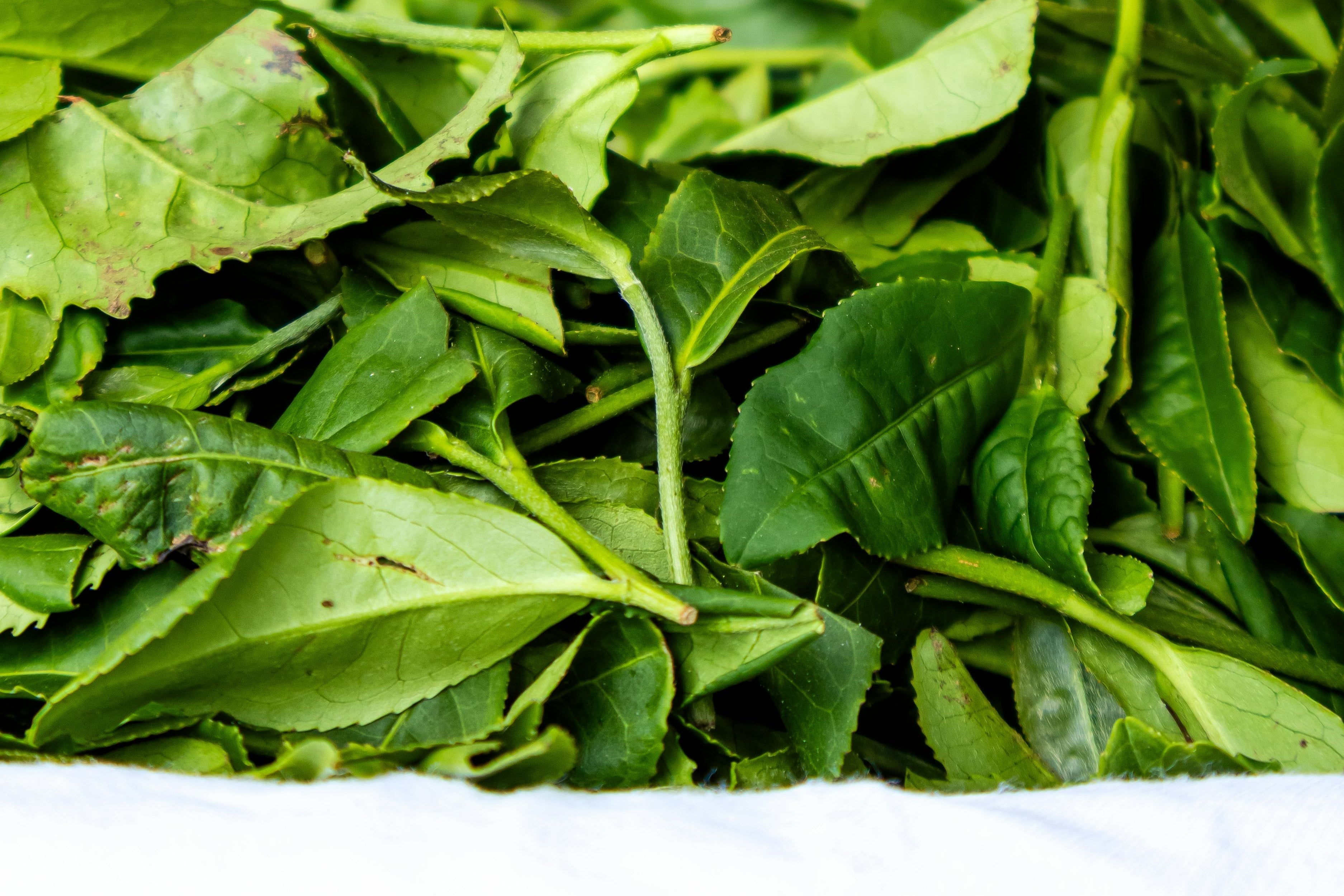
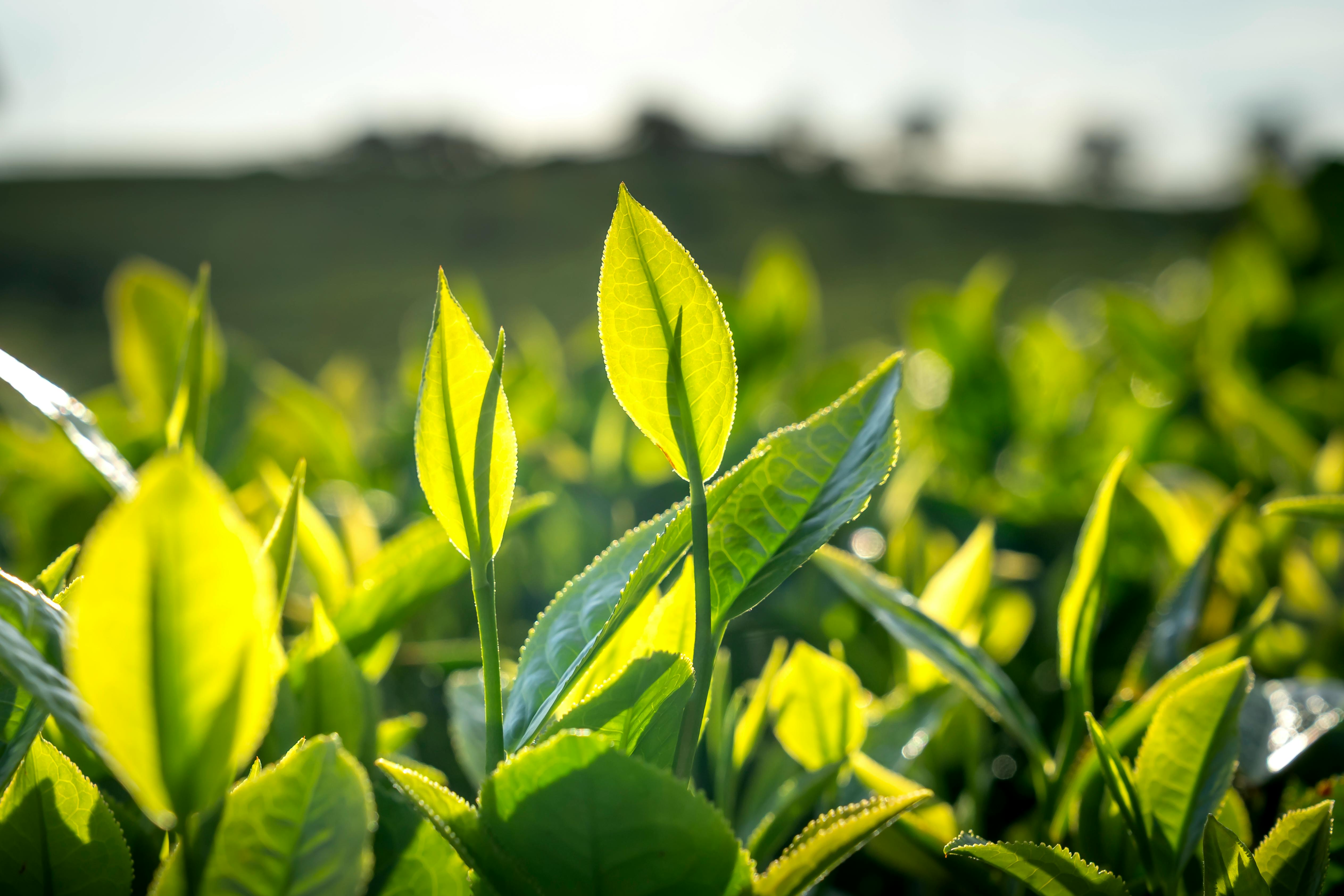
For Japanese tea, Hachijū-hachiya holds special meaning because it marks an important point in the early tea harvest season. It is traditionally seen as the time when the first flush of tea is ready to be picked.
Why is Hachijū-hachiya important for tea?
Tea is deeply shaped by timing. If harvested too early, the leaves may not have fully developed. If harvested too late, the flavor, aroma, and balance can shift.
Hachijū-hachiya represents a moment when the tea plants have had enough time to grow through the first part of spring, gathering the energy of the season before harvest begins in earnest.
Because of this, tea picked around Hachijū-hachiya has long been associated with freshness and seasonal significance.
The meaning behind the name
The name itself comes from counting forward from Risshun, the traditional beginning of spring.
In Japanese seasonal culture, these markers are not just dates. They reflect close observation of nature — paying attention to changes in weather, light, and plant growth.
Hachijū-hachiya is one of those moments where agriculture and seasonality meet very clearly. It is especially well known in connection with tea because spring is the most important harvest period for high-quality Japanese green tea.
Why does Hachijū-hachiya matter today?
Even today, Hachijū-hachiya remains a meaningful reminder that good tea is not only about origin or processing. It is also about season, timing, and attention.
For tea producers, it points to the rhythm of cultivation and harvest. For tea drinkers, it offers a chance to connect more deeply with the seasonal life of tea.
It is a small but important part of how tea culture in Japan has long been rooted in observation — knowing when to wait, and knowing when the moment has arrived.
Hachijū-hachiya and matcha
Although Hachijū-hachiya is often discussed broadly in relation to Japanese tea, its spirit is also relevant to matcha.
Matcha begins as tencha, a shaded tea leaf that is carefully grown, harvested, and processed. The timing of harvest plays an important role in the final character of the tea — its sweetness, umami, texture, and balance.
So when we talk about Hachijū-hachiya, we are also talking about one of the core ideas behind great tea:
quality begins long before the bowl.
A seasonal reminder
At its heart, Hachijū-hachiya is a celebration of seasonality. It reminds us that tea is not made all at once. It is shaped gradually — through weather, care, patience, and the right moment. That is part of what makes spring tea so special.