The making of matcha

1. Shading
Shaded Growth
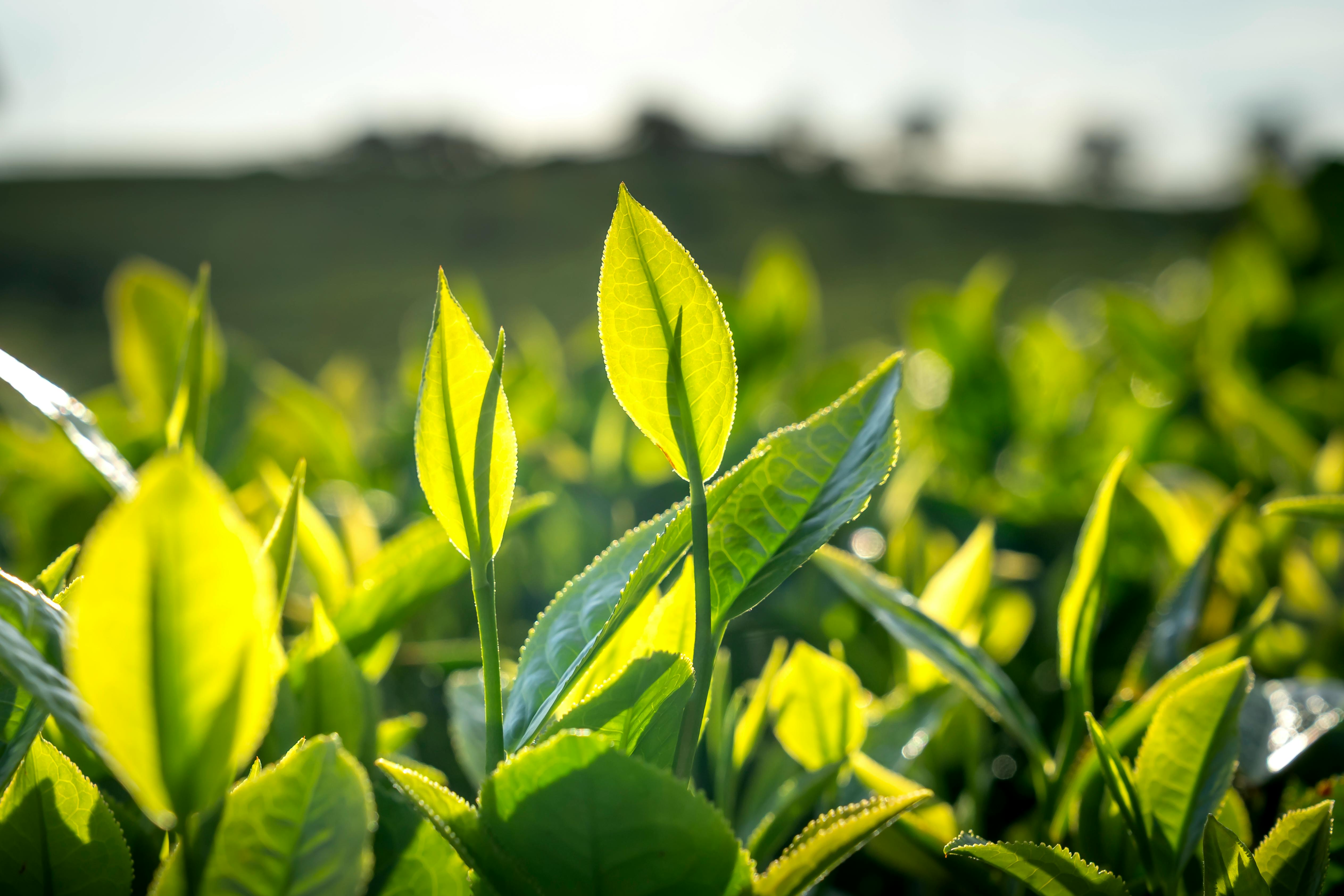
Before harvest, tea plants are shaded for around 20 days. This reduces direct sunlight and encourages the leaves to produce more chlorophyll and L-theanine.
The result is a deeper green color, a smoother taste, and less bitterness.
2. Harvest
First Harvest
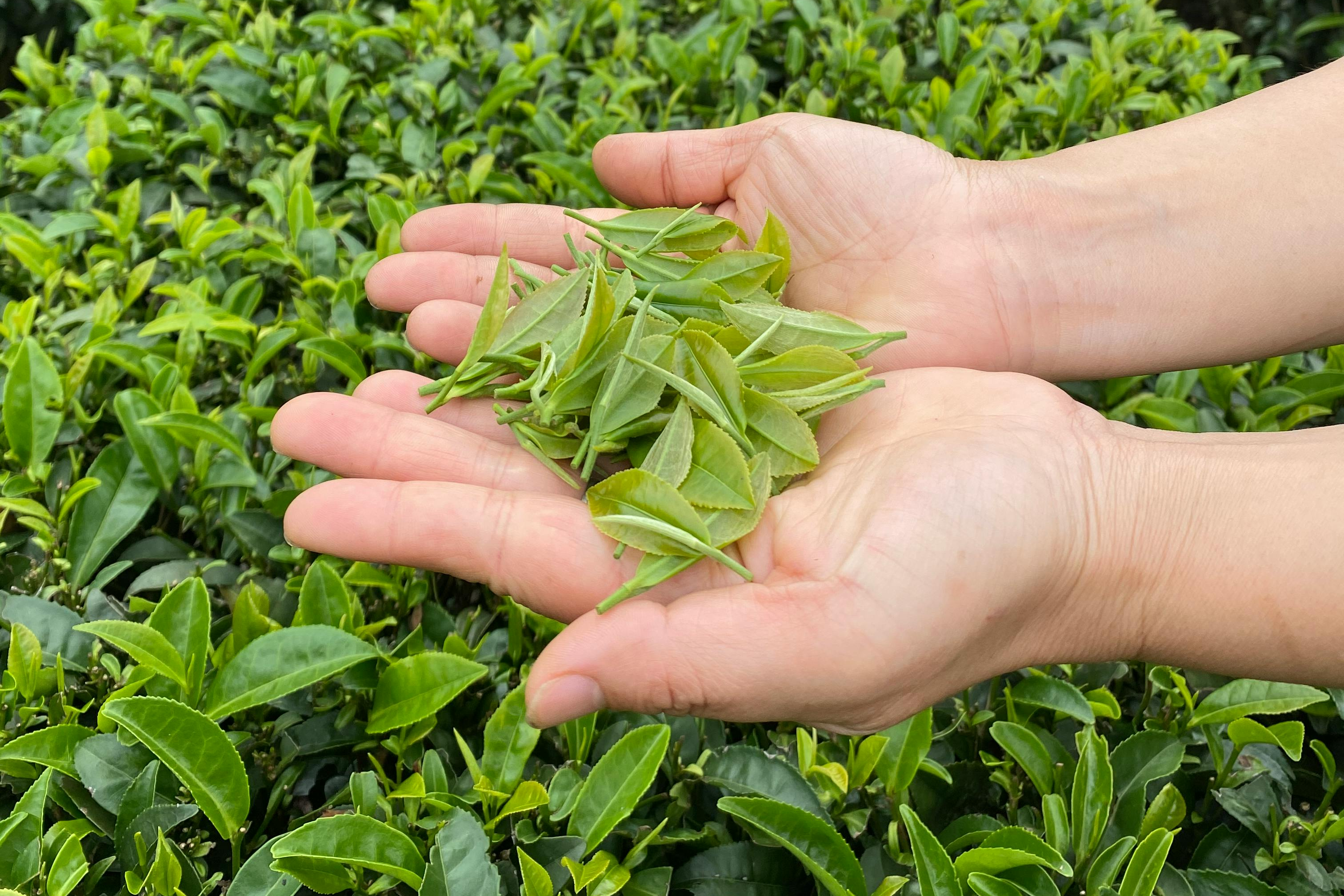
High-quality matcha begins with young spring leaves, selected when they are at their most tender.
This early harvest helps create a finer texture, fresher aroma, and more delicate flavor.
3. Steaming
Gentle Steaming
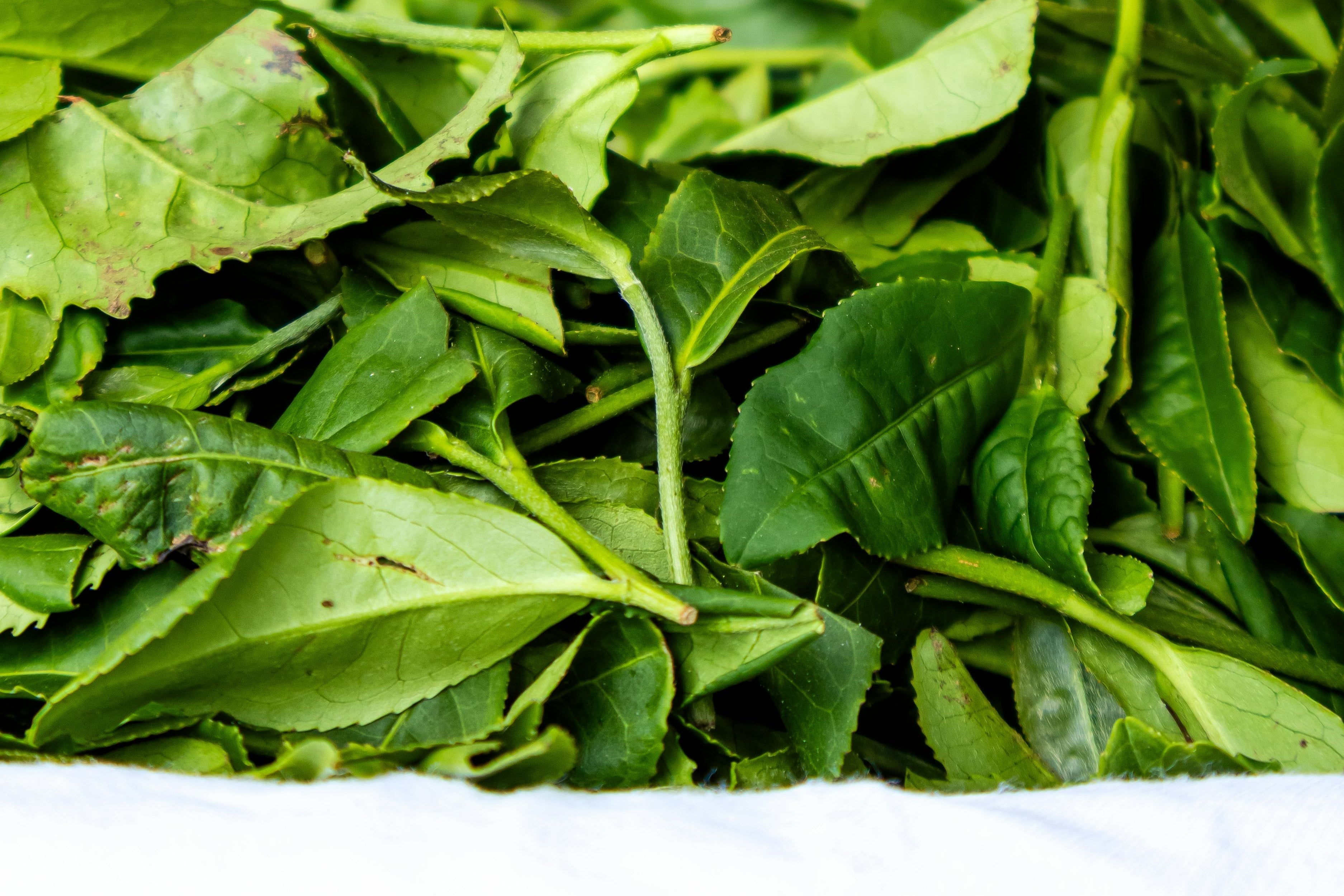
Soon after harvest, the leaves are briefly steamed to stop oxidation.
This step preserves the green color, fresh aroma, and natural structure of the leaf.
4. Tencha Formation
Tencha
After steaming, the leaves are dried. Stems and veins are then removed, leaving only the soft leaf material.
These refined leaf flakes are called tencha — the raw material used to make true matcha.
5. Stone Milling
Slow Grinding
Tencha is slowly ground between granite stones into an ultra-fine powder.
The low-speed process helps prevent heat damage, preserving the tea’s color, aroma, and flavor.
6. Matcha
The Final Powder
Unlike steeped tea, matcha is not an infusion. The whole leaf is ground into powder and suspended in water when whisked.
This is why matcha has a vivid color, full-bodied umami, and a richer texture than regular brewed tea.