


What Is Shincha Matcha? A Closer Look at Japan’s First Harvest Tea
What Is Shincha Matcha?
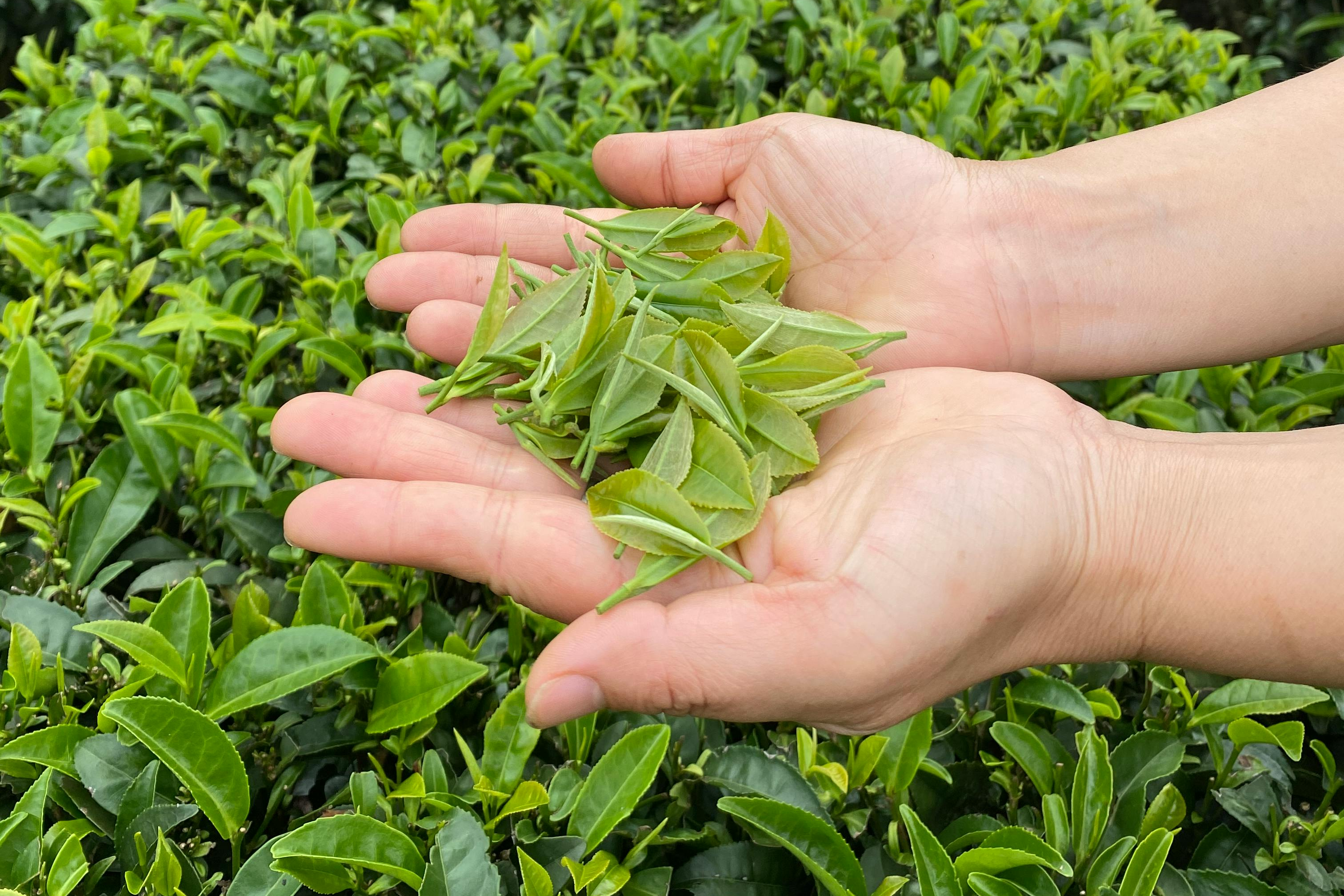
Shincha, meaning new tea in Japanese, is a seasonal release made from the earliest spring harvest. In the context of matcha, shincha matcha captures the freshest expression of the year’s first young leaves, processed quickly to preserve their vivid aroma, lively character, and bright seasonal energy.
It is not a tea category like sencha, gyokuro, or matcha itself. Instead, shincha refers to timing, specifically tea released early to reflect the freshness of the new harvest.
Each spring, tender leaves are picked and processed without delay. After steaming to stop oxidation, they are dried into ara-tencha before final refinement. This time-sensitive process is part of what makes shincha matcha such a rare and anticipated seasonal release.
Shincha vs First Harvest Matcha
It is easy to assume that all first-harvest tea is shincha, but that is not quite the case.
While shincha comes from the first harvest of the year, not all first-harvest matcha is released as shincha. Some lots are stored and refined later, allowing the flavor to settle, soften, and become more rounded over time.
Shincha, by contrast, is offered much earlier. That earlier release preserves a brighter, more immediate expression of the season, one that feels especially fresh, vivid, and alive.
Why Shincha Tastes Different Every Year
No two years are ever exactly alike.
The taste of shincha matcha is shaped by the season itself, including sunlight, rainfall, temperature, shading conditions, and harvest timing. These details influence the balance of sweetness, umami, freshness, and gentle astringency in the final tea.
Because of this, shincha is not meant to be identical from year to year. It reflects the growing conditions of that particular spring, making each release a distinct expression of the harvest.
Why Shincha Matcha Is So Rare
Modern refrigeration has transformed how tea can be preserved, and producers today can protect aroma and flavor with far greater precision than in the past.
And yet, even with careful cold storage, there is still a certain freshness that exists only at the very beginning, a fleeting character that gradually softens with time. Shincha captures that brief moment.
That is why shincha matcha is often treated as a limited seasonal release. It is not simply new stock, but a fresh snapshot of the year’s first harvest.
This Year’s Shincha Release
For us, that is what makes shincha so special. It is not simply a new batch of tea, but a seasonal expression of the year’s first harvest, vivid, time-sensitive, and available only for a short window.
We are now opening pre-orders for this year’s shincha release.
FAQ About Shincha Matcha
What does shincha mean?
Shincha means new tea in Japanese and usually refers to tea released from the earliest spring harvest.
Is shincha the same as first-harvest matcha?
No. Shincha comes from the first harvest, but not every first-harvest matcha is released immediately as shincha.
Why is shincha matcha special?
Shincha matcha is valued for its freshness, seasonality, and the way it reflects the unique conditions of a specific spring harvest.


